Diary Font
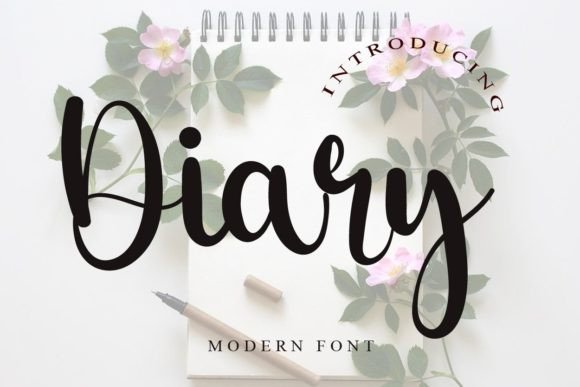
Typography can make or break a design, and the Diary font is a fresh and beautiful choice that brings elegance and simplicity to your creative projects. Whether you're designing for digital platforms or print media, this font stands out with its clean lines and modern aesthetics, making it a powerful tool in your graphic design toolkit.
Diary is more than just a font—it’s a versatile asset that enhances readability while adding a unique visual flair. Its minimalist style makes it ideal for a wide range of applications, from branding to editorial design. With its smooth curves and balanced proportions, it supports both traditional and contemporary design trends, offering a professional presentation that resonates with diverse audiences.
Why Diary Matters in Modern Graphic Design
In today's fast-paced digital world, visual communication plays a crucial role in capturing attention and conveying messages effectively. The Diary font contributes to this by ensuring clarity and consistency across various design formats. It helps maintain a strong brand identity through consistent typography, which is essential in building trust and recognition among users.
The font's versatility allows it to be used in different contexts without losing its charm. For instance, when designing social media graphics, the Diary font ensures that text elements are both readable and visually appealing. This is especially important for digital marketing campaigns where first impressions matter most.
Practical Applications of Diary
The Diary font finds its place in numerous creative fields. Here are some key areas where it shines:
- Branding and Logo Design: A well-chosen font like Diary can reinforce a brand’s personality and values. It works particularly well with minimalist logos or those that require a touch of sophistication.
- Marketing Materials: From flyers to brochures, the font ensures that promotional content remains engaging and easy to read.
- Website and UI Design: In web design, the font supports a clean and modern look, improving user experience and navigation.
- Packaging Design: When applied to product packaging, Diary adds an element of refinement that appeals to consumers.
Its adaptability also extends to editorial layouts and presentations, where it can help establish a clear visual hierarchy. The font pairs well with a variety of color palettes, allowing designers to experiment with different combinations to suit their project needs.
Choosing and Using Diary Effectively
Selecting the right font involves understanding your design goals and audience expectations. The Diary font is best suited for projects that require a balance between simplicity and elegance. It works particularly well in creative projects that emphasize readability without sacrificing visual appeal.
When using Diary, consider factors such as scalability and readability. Ensure that the font maintains its clarity at different sizes and across various mediums. Also, evaluate how it integrates with existing brand systems—whether it complements your current brand identity or requires adjustments to align with your visual standards.
Experimenting with Diary in combination with other design elements like imagery and typography can lead to compelling results. Pairing it with bold colors or subtle textures can enhance its impact and create a cohesive visual design.
Ultimately, the Diary font is more than just a typeface—it’s a strategic design choice that can elevate your creative work. By thoughtfully incorporating it into your design workflow, you can achieve a polished and professional outcome that resonates with your target audience and supports your creative vision.